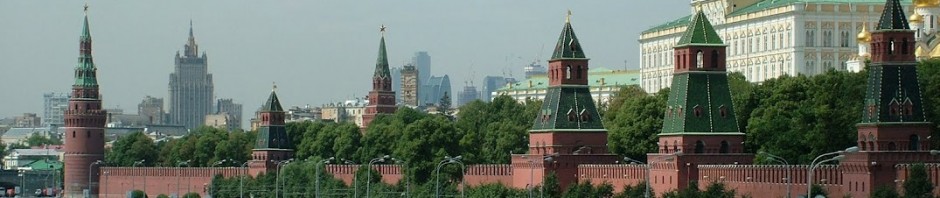
Every series gets tired after a certain number of seasons. Viewers get tired of the running jokes, the catchphrases, the predictable storylines, the hammy actors, especially if no new characters are introduced. Authors gradually stop caring: plot turns become boring, dialogues get less witty and sometimes embarrassing glitches appear on the show. Some series reach this point after only a couple of seasons, others last longer. At fourteen seasons, Russia’s favourite television show, “Direct line with Vladimir Putin” has done respectably well so far. But the disease of all TV series has finally got to it. It has become predictable, self-repeating, somewhat obsolete, faulty and, most of all, intensely boring. This tells a lot about the weaknesses of the Russian political system too.
On Twitter
Archives
- November 2026
- October 2026
- July 2026
- June 2026
- April 2026
- February 2026
- January 2026
- December 2025
- November 2025
- October 2025
- September 2025
- July 2025
- May 2025
- April 2025
- March 2025
- January 2025
- November 2024
- October 2024
- September 2024
- August 2024
- July 2024
- June 2024
- May 2024
- April 2024
- March 2024
- February 2024
- November 2023
- October 2023
- September 2023
- July 2023
- June 2023
- March 2023
- January 2023
- October 2022
- September 2022
- July 2022
- June 2022
- May 2022
- April 2022
- February 2022
- January 2022
- November 2021
- October 2021
- September 2021
- August 2021
- June 2021
- May 2021
- April 2021
- March 2021
- February 2021
- January 2021
- December 2020
- November 2020
- October 2020
- September 2020
- August 2020
- July 2020
- June 2020
- May 2020
- April 2020
- March 2020
- February 2020
- January 2020
- December 2019
- November 2019
- October 2019
- September 2019
- August 2019
- July 2019
- June 2019
- May 2019
- March 2019
- February 2019
- January 2019
- November 2018
- July 2018
- May 2018
- April 2018
- March 2018
- February 2018
- January 2018
- November 2017
- October 2017
- August 2017
- July 2017
- May 2017
- March 2017
- January 2017
- December 2016
- October 2016
- August 2016
- June 2016
- April 2016
- February 2016
- December 2015
- October 2015
- September 2015
- August 2015
- June 2015
- May 2015
- April 2015
- March 2015
- February 2015
- January 2015
- December 2014
- November 2014
- October 2014
- September 2014
- August 2014
- July 2014
- May 2014
- April 2014
- March 2014
- February 2014
- January 2014
- December 2013
- November 2013
- October 2013
- September 2013
- August 2013
- July 2013
- June 2013
- May 2013
- April 2013
- March 2013
- February 2013
- January 2013
- December 2012
- November 2012
- October 2012
- September 2012
- August 2012
- July 2012
- June 2012
- May 2012
- April 2012
- March 2012
- February 2012
- December 2011
- September 2011
- August 2011
- June 2011
- May 2011
- April 2011
- March 2011
- February 2011
- January 2011
- December 2010
- November 2010
- October 2010
- September 2010
Tags
budget chelyabinsk civiliki constitutional_reform democratisation duma_election economy energy foreign_policy government governors kadyrov khabarovsk khakassia komi kudrin local_elections medvedev mishustin modernisation moscow nationalism navalny novosibirsk party_system peoples_front presad presidential_election protests putin ratings regions sanctions sechin shoigu siloviki sobyanin surkov s_ivanov tatarstan tomsk ukraine united_russia v_volodin warRecent Comments
- RUSSIA NEWS & INFORMATION – Johnson’s Russia List contents & links :: JRL 2021-#50 :: Wednesday, 10 March 2021 – Johnson's Russia List on Elections ahead – Part IV
- Russia's regional projects: the uneasy dilemma underlying Russia's scramble to accelerate ... - Politicians in the News on NY Dispatches: Russia’s territorial integrity and the constitution
- Russia's regional projects: the uneasy dilemma underlying Russia's scramble to accelerate ... - Politicians in the News on NY Dispatches: Regions and bankruptcy
- bne IntelliNews – Russia’s regional projects: the uneasy dilemma underlying Russia’s scramble to accelerate development – 24 hours News Channel on NY Dispatches: Regions and bankruptcy
- RUSSIA & UKRAINE – Johnson’s Russia List table of contents & links :: JRL 2020-#100 :: Thursday, 4 June 2020 – Johnson's Russia List on NY Dispatches: the newfound assertiveness of regional leaders